The Brutal Beauty of Heavy Equipment Tracks Power Beneath the Behemoths
The Brutal Beauty of Heavy Equipment Tracks Power Beneath the Behemoths


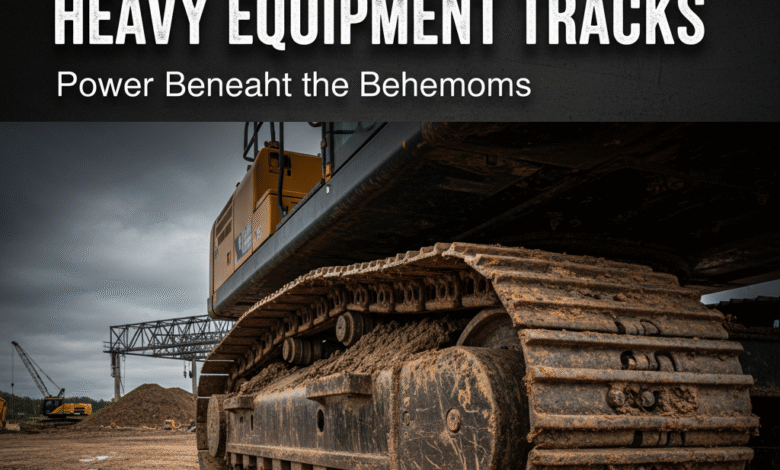
The Brutal Beauty of Heavy Equipment Tracks Power Beneath the Behemoths
When you hear the grinding roar of machinery and feel the ground tremble beneath your boots, you’re probably in the presence of a tracked giant.
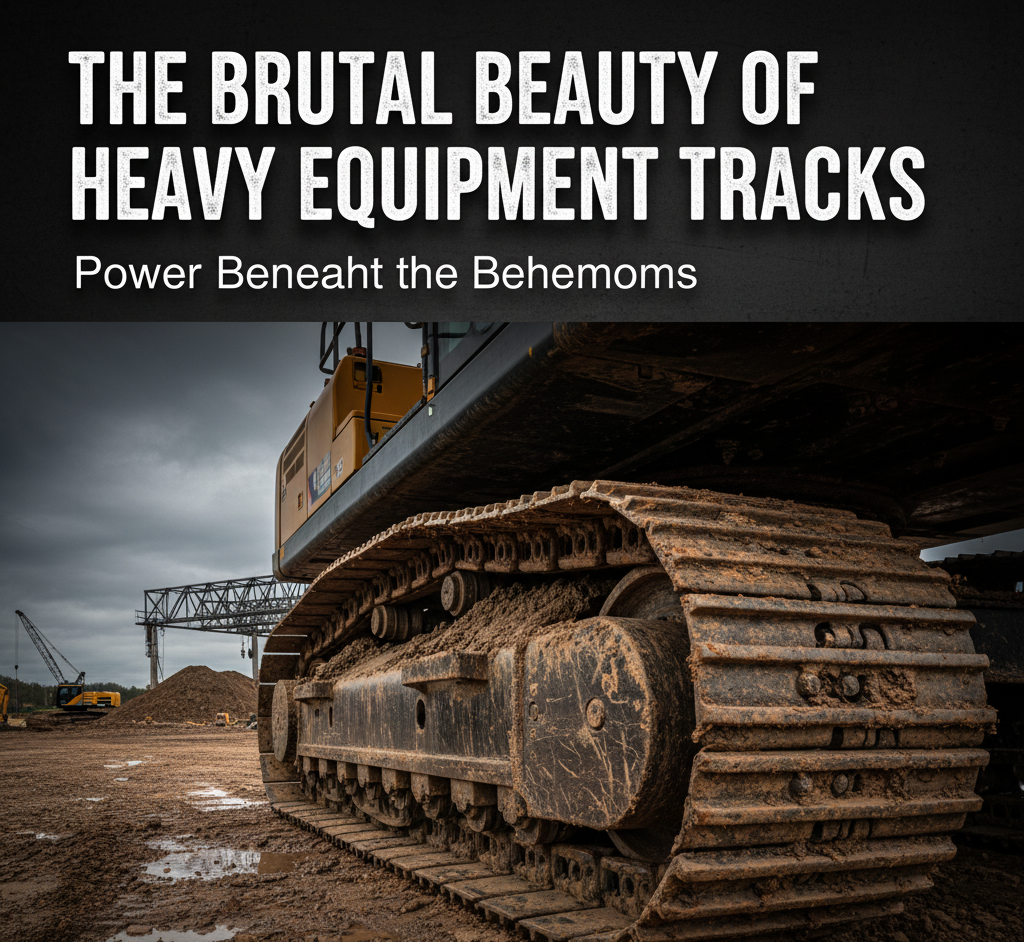
From bulldozers in icy tundras to excavators clawing through desert rock, heavy equipment tracks are the unsung heroes of modern industry.
“Wheels roll, but tracks conquer.”
— A seasoned operator at a mining site in Nevada
What Are Heavy Equipment Tracks, Really?
Tracks are continuous loops of linked plates—usually steel or reinforced rubber—wrapped around a machine’s undercarriage. They’re designed to spread weight evenly across a larger surface area, so even a 50-ton excavator can glide (well, crawl) across soft soil without sinking.
We’re not just talking construction here—tracks rule in:
Forestry: Skidders, feller bunchers, and harvesters slicing through remote terrain.
Military: Tanks, armored vehicles, and logistics carriers.
Agriculture: High-traction tractors plowing fields after heavy rain.
Steel Tracks vs. Rubber Tracks: The Great Debate
| Feature | Steel Tracks 🛠️ | Rubber Tracks 🌱 |
|---|---|---|
| Durability | Near indestructible on rock & gravel | Softer material—less wear on paved surfaces |
| Noise | Loud & proud | Whisper-quiet (well, relatively) |
| Weight | Heavy, high traction | Lighter, faster maneuvering |
| Cost | Higher initial investment | Usually cheaper upfront |
Why Tracks Dominate Over Wheels
Traction Like Nothing Else
Tracks keep grip even in mud, snow, or loose gravel where wheels just spin helplessly.Weight Distribution
A bulldozer’s massive weight is spread across meters of track—reducing ground pressure to surprisingly low levels.Sheer Stability
The broad base keeps the center of gravity low, which is critical when moving tons of earth on slopes.
A Few Things You Didn’t Know About Tracks
They’re Modular: You can swap out track pads for different environments.
They Can Float (Sort Of): Amphibious excavators use pontoon-style tracks to move in swampy water.
They’re Not Forever: Even steel tracks stretch, crack, and eventually snap after thousands of hours.
Fun fact: In some remote mining operations, replacing a set of tracks can cost as much as a brand-new pickup truck.
Maintenance: The Unsexy but Essential Side
Neglect your tracks, and your entire machine suffers.
Keep them clean—caked mud adds weight and accelerates wear.
Inspect pins, bushings, and rollers regularly.
Avoid excessive high-speed turns—they put massive stress on the links.
Heavy equipment tracks are the muscle and grip behind some of the most powerful machines humans have ever built.
Without them, roads, dams, and even skyscrapers would be far harder—maybe impossible—to construct.